
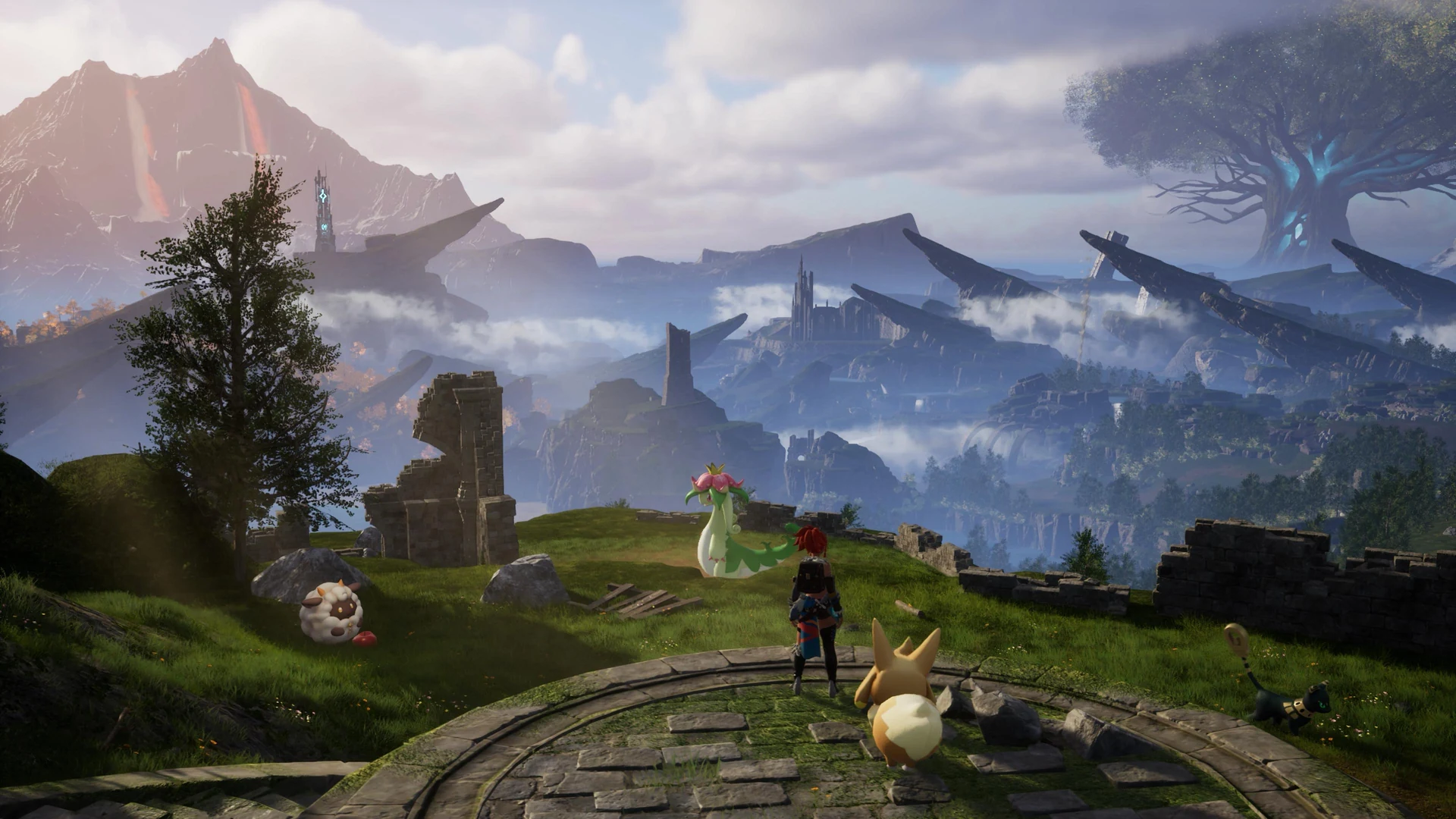
The gaming industry currently faces significant confusion regarding the precise definition of an independent studio versus a major publisher. John Buckley, who serves as the head of publishing and communications at Palworld developer Pocketpair, has recently weighed in on this contentious topic following recent discussions surrounding Clair Obscur: Expedition 33. Buckley argues that the traditional lines separating indie from AAA titles have become so blurred that funding sources alone no longer determine a studio's status. He suggests that while external financial assistance is often necessary to launch ambitious projects, the core essence of independence relies heavily on who holds the ultimate creative control over the final product. This perspective emerges as developers and publishers navigate a complex landscape where marketing support from larger entities does not necessarily equate to a loss of artistic autonomy or an automatic shift to major publisher status.
News
The Blurring Lines Between Indie And Major Titles
There are some blurred lines in the industry around what counts as indie or AAA nowadays, a sentiment echoed by Buckley in his recent commentary. He questions whether the distinction is truly about funding levels or simply the scale of operations within a development team. The conversation frequently ripples through social media and gaming news outlets whenever a title receives significant marketing support from an outside entity while retaining its independent spirit. Buckley points out that Palworld itself remains fully self-funded with no outside financial influence, which allows them to confidently claim indie status under nearly any existing definition available today.
However, the situation becomes more complicated when considering projects that require external capital to get off the ground in the first place. Buckley asks if it is fair to deny a game its independent label simply because another entity provided marketing assistance or financial backing during the early stages of production. He highlights that many successful games rely on such support without sacrificing their creative independence, suggesting that the current industry standards for classifying studios are becoming increasingly difficult to apply consistently across different projects and teams.
News
Creative Control As The Primary Metric For Independence
For Buckley, creative independence is probably the most important factor when determining whether a studio should be considered truly independent. He posits that if a studio maintains genuine creative freedom throughout the development process, then it is fair to consider them independent regardless of other financial arrangements. Conversely, if another entity begins exerting creative pressure or making key decisions for a studio, then the question of independence becomes highly questionable and requires careful examination by observers and fans alike.
This principle serves as the abiding rule that Buckley believes should guide discussions about studio classifications in the modern gaming landscape. He argues that the label of independent developer should not be stripped away merely because a publisher helped with distribution or marketing efforts, provided that the core team retains full control over their vision. This approach allows for a more nuanced understanding of how games are made and who is responsible for the final product seen by players worldwide.
News
Clair Obscur And Stardew Valley As Case Studies
Clair Obscur: Expedition 33 comes up in replies as a specific example that courted some discourse after being nominated for Best Indie Game at The Game Awards despite using an outside publisher. Buckley questions whether it is really fair to say the title is not indie just because someone helped with marketing, drawing parallels to other well-known franchises that have faced similar scrutiny over the years.
Stardew Valley is in the same bracket as these discussions, with many noting that Chucklefish helped out with some marketing years ago yet the core game remains handled by ConcernedApe and a small team. Buckley uses this example to illustrate how the label varies by degrees depending on the level of involvement from external parties. Even though Stardew has grown into a huge franchise with official tours for its soundtrack, the fundamental identity of the project as an independent creation remains intact due to the continued creative control held by its original developers.
News
Industry Nuance And The Future Of Studio Labels
The debate highlights a lot of nuance to the label now, as Buckley suggests that simple binary classifications may no longer suffice for describing the complex reality of game development. He encourages the industry to look beyond surface-level indicators like funding sources or publisher partnerships when evaluating whether a studio operates independently. This shift in perspective could lead to more accurate descriptions of how games are created and who is truly driving the creative vision behind each project.
As the gaming world continues to evolve, definitions will likely continue to adapt to reflect the changing nature of development practices and business models across different regions. Buckley's comments serve as a reminder that the spirit of independence matters more than the technicalities of funding or marketing arrangements when assessing a studio's identity. Fans and critics alike may need to adjust their expectations and understanding of what constitutes an independent game in this increasingly interconnected industry environment.
John Buckley's insights provide valuable context for ongoing discussions about the evolving nature of independent game development in today's market. His emphasis on creative control as the defining characteristic of indie studios offers a clear framework for evaluating projects that receive mixed support from various sources. While the exact boundaries between indie and AAA titles may remain somewhat fluid, focusing on who holds ultimate decision-making power provides a more meaningful way to classify games and their creators. As new titles emerge and existing franchises expand, this principle-based approach will likely become increasingly important for maintaining clarity within an industry that constantly pushes against traditional categorizations.
Original report
Source and verification
Read the original report at GamesRadar+