
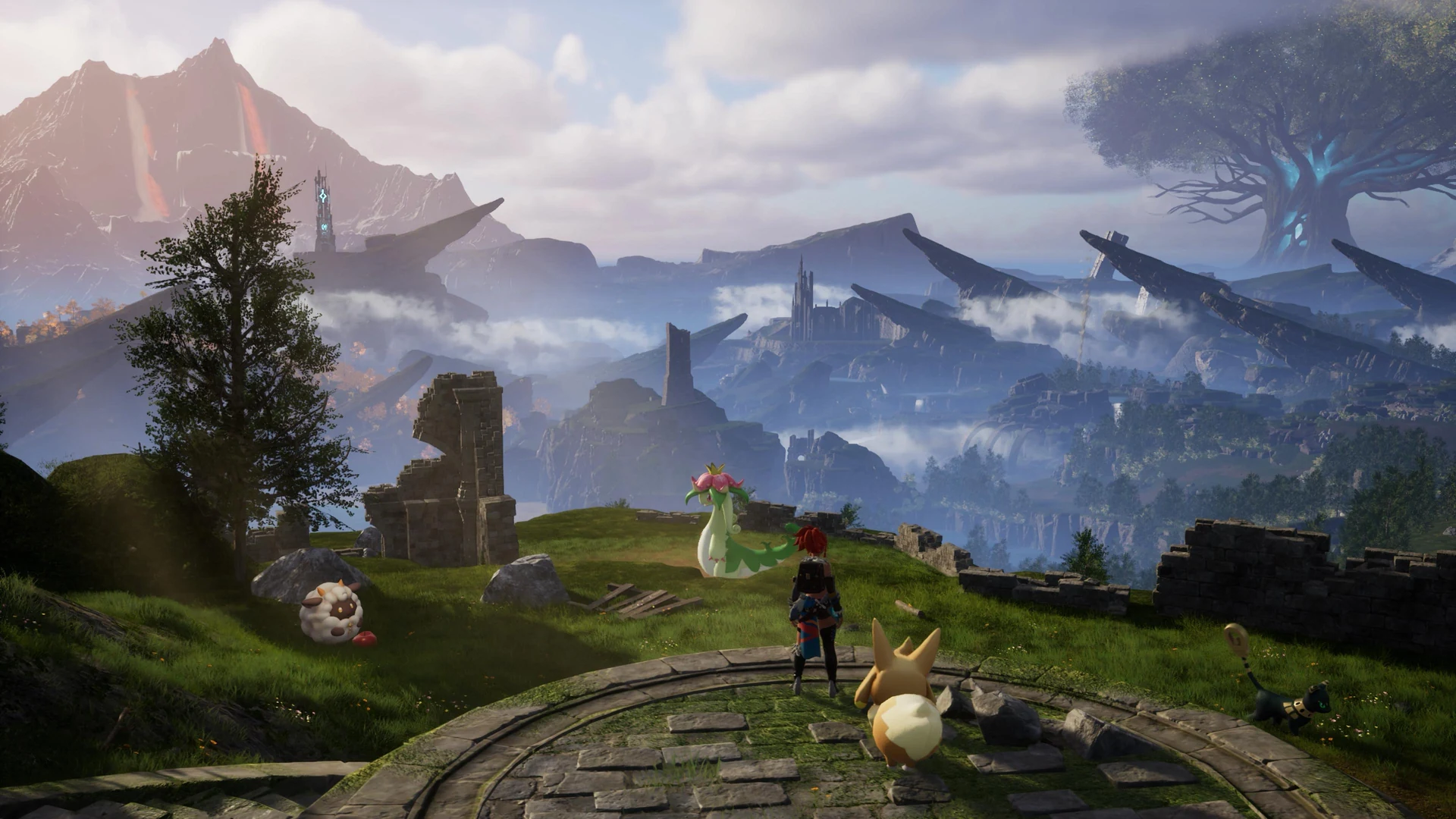
The landscape of digital gaming has witnessed a remarkable transformation in 2026, where early access graduates are now dominating the Steam reviews. After the monumental releases of Palworld and Valheim established a new precedent for community-driven development, more than half of Steam's top ten best-rated releases this year have emerged from the early access program. These titles, once considered beta experiments, have successfully transitioned into polished 1.0 versions that stand alongside traditional blockbusters. The data suggests that player feedback during the development phase has been instrumental in refining mechanics and fixing bugs before launch.
News
The Rise Of Early Access Survivors
According to Steam250, a trusted resource for tracking platform statistics, six of the top ten games released this year are early access escapees that finally secured their 1.0 update. This statistic highlights a significant trend where titles like TCG Card Shop Simulator and Fields of Mistria have climbed the charts after years of iterative development. The presence of these games in the upper echelons of the rankings challenges the notion that only polished AAA productions can achieve critical acclaim.
The platform utilizes a specific formula where positive review percentages are weighted by the total number of reviews received. While this method ensures that tiny releases with only a handful of scores do not unfairly dominate the lists, it still allows for substantial growth stories to be recognized. Consequently, these early access graduates are standing tall against established hits, proving that sustained community engagement can yield superior final products.
News
Comparative Analysis With Traditional Hits
Despite the subjectivity inherent in any review framework, it remains notable to see so many early access graduates competing directly with traditional bangers. Capcom's recent entries, such as Resident Evil Requiem and Pragmata, continue to define high-budget gaming, yet they face stiff competition from independent survival and simulation titles. The comparison reveals that player preference has shifted towards games that have evolved organically through public testing rather than closed development cycles.
This shift indicates a growing maturity within the gaming community regarding how software is built and released. Players are increasingly willing to support developers who listen to feedback, resulting in games that feel more complete upon their official launch. The success of these titles demonstrates that the iterative process of making games is deeply valuable when executed with transparency and respect for player input.
News
Addressing Community Cynicism
There are plenty of valid reasons for players to maintain a cynical view regarding the early access process, particularly in the current year. Some might question why anyone would pay to beta test a game that could potentially be abandoned or steered in an unwanted direction by developers. Concerns about projects like Slay the Spire 2 illustrate the risks involved when a studio changes course based on shifting market trends rather than core design principles.
However, the trajectory of successful titles from Palworld to Scrap Mechanic shows how powerful early access can be when managed correctly. Most developers emphasize that creating games is an iterative journey where feedback from playtesters is essential for crafting something great. By involving a dedicated group of players who are already invested in the game's success, studios can identify issues early and implement solutions before the final release.
News
Defining The Future Of Development
The collective evidence from 2026 suggests that the line between early access and full release is becoming increasingly blurred in a positive way. Titles like Timberborn and Scrap Mechanic have proven that machinery-focused city builders and survival games can thrive when they evolve alongside their audience. This model encourages developers to prioritize long-term vision over quick monetization strategies, fostering an environment where quality takes precedence over speed.
As the industry moves forward, the lessons learned from these early access survivors will likely influence how new projects are structured and funded. The ability to gather real-world data on gameplay loops and economy systems provides a foundation for building robust worlds that withstand scrutiny. Ultimately, the dominance of these graduates in the top ten rankings serves as a testament to the resilience and creativity found within the independent gaming sector.
The conclusion drawn from this year's performance data is clear: early access has evolved into a viable pathway for creating some of the best games in recent memory. While skepticism remains valid, the tangible results on Steam show that patient development with community involvement yields superior outcomes. As we look toward future releases, the expectation will be that more studios adopt similar transparent methods to ensure their products meet high standards before hitting the market. The success of Palworld and Valheim paved the way for this new era where player voices directly shape the final product.
Original report
Source and verification
Read the original report at GamesRadar+