
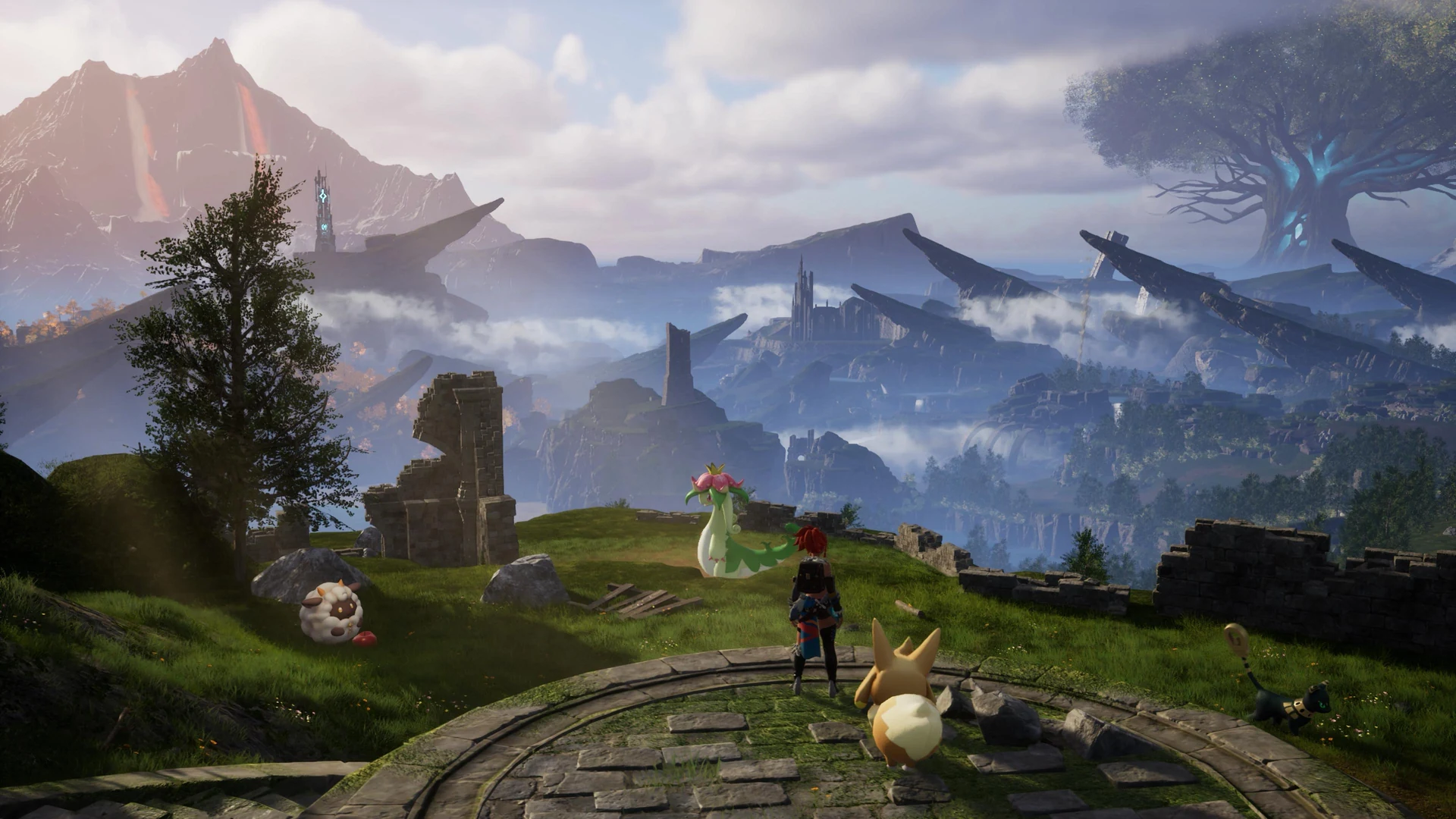
John Buckley, the communications and publishing lead at Pocketpair, has voiced significant concerns regarding the current state of the Steam Early Access programme. Speaking with GamesRadar+, Buckley suggests that a profound shift in gaming culture has fundamentally altered how players perceive unfinished titles. He argues that the original intent of early access, which fostered community involvement and transparent development, is increasingly being ignored. Instead, many consumers now treat these work-in-progress projects as if they were fully released commercial products, expecting immediate perfection without understanding the iterative nature of game creation.
News
The Golden Era of Community Engagement
Buckley recalls a specific period in the past when Steam operated exactly as the platform dreamed it would during its early days. He describes this time as a beautiful golden era where everyone involved clearly understood what they were getting into. During those years, the individuals purchasing early access games were typically gamers who genuinely wanted to be part of the development process. These players actively sought opportunities to provide feedback and engage in meaningful conversations with developers about the evolving state of their favourite projects.
In contrast to that previous atmosphere, Buckley notes that the current landscape feels quite different and less ideal for fostering deep developer-player relationships. He believes that the migration of hyper-casual mobile gaming culture onto PC has washed through Steam and changed the general outlook on unfinished games. Consequently, the programme has essentially lost its original meaning because people now buy early access titles with the same expectations as normal releases. This shift stunts the perception of the games in it and makes the environment harder for studios to navigate.
News
Misplaced Expectations and Content Demands
A specific example of this cultural friction arises when players purchase a game in early access only to play heavily for a week or two. After such a short period, some users begin arguing that the developers are not making new content and claim the game is dead. Buckley finds this reaction frustrating because the reality is that development continues behind the scenes while the team works on updates scheduled for months down the line. He hopes that raising the general knowledge level around how games are made might help both sides understand each other better.
Buckley clarifies that he does not think it is a bad thing if some gamers simply want to enjoy a nice thing without knowing how the sausage is made. However, he acknowledges that this attitude contributes to early access being abused for a lot of reasons related to unrealistic expectations. While he respects players who just want to play, the lack of patience for QOL-heavy updates or smaller patches creates tension. This dynamic makes it increasingly difficult for studios to communicate transparently about update schedules without facing immediate backlash from impatient communities.
News
Platform Differences and Console Challenges
The issue extends beyond just PC gaming, as Buckley points out that consoles are where the concept of early access gameplay struggles the most. Console gamers generally aren't used to the idea of purchasing a game that is still being actively developed and improved upon over time. This lack of familiarity results in significantly less feedback from console players compared to their PC counterparts who love to drown developers in detailed bug reports. Buckley suggests that while this difference is fine, it creates an imbalance in the types of input studios receive during the development lifecycle.
To address these challenges, Pocketpair tries to softly educate people about the realities of game development through transparency and clear communication. The team attempts to balance player desires with necessary development time by explaining that upcoming updates might not be content-heavy but will focus on quality of life improvements. Despite these efforts, Buckley admits that the culture has come through and made things harder on Steam overall. He believes that trying to manage these expectations is an ongoing task that requires constant effort from the studio.
News
Future Outlook for Palworld Updates
Recently, Buckley has been shaping expectations specifically for update 1.1 by reiterating that Palworld will continue but is not due for another massive overhaul immediately. Earlier in the year, he stated that he would not rule out a Palworld 2.0 at some point in the future, though fans should not expect a No Man's Sky-style arrangement with ten years of heavy support. He aims to manage these hopes carefully so that the community understands the scope and timeline of future projects without feeling misled or disappointed by standard industry practices.
Although Pocketpair has chosen early access multiple times for titles like Craftopia, which is approaching its own 1.0 update, Buckley agrees it is not right for every project to follow this path. The studio remains big advocates for the model when appropriate but recognises that different games require different approaches to release and support. This nuanced stance allows them to maintain integrity with their early access philosophy while adapting to the changing demands of the market and player base.
As Pocketpair navigates these complex waters, the studio stands firm in its belief that early access holds value despite the current difficulties. Buckley emphasises that while the programme has been abused for a lot of reasons due to cultural shifts, the core principle of community-driven development remains important. The team continues to strive for transparency, hoping that players will eventually appreciate the journey of building a game rather than just the final product. Ultimately, the goal is to foster an environment where developers and fans can collaborate effectively without the pressure of unrealistic expectations clouding the experience.
Original report
Source and verification
Read the original report at GamesRadar+