
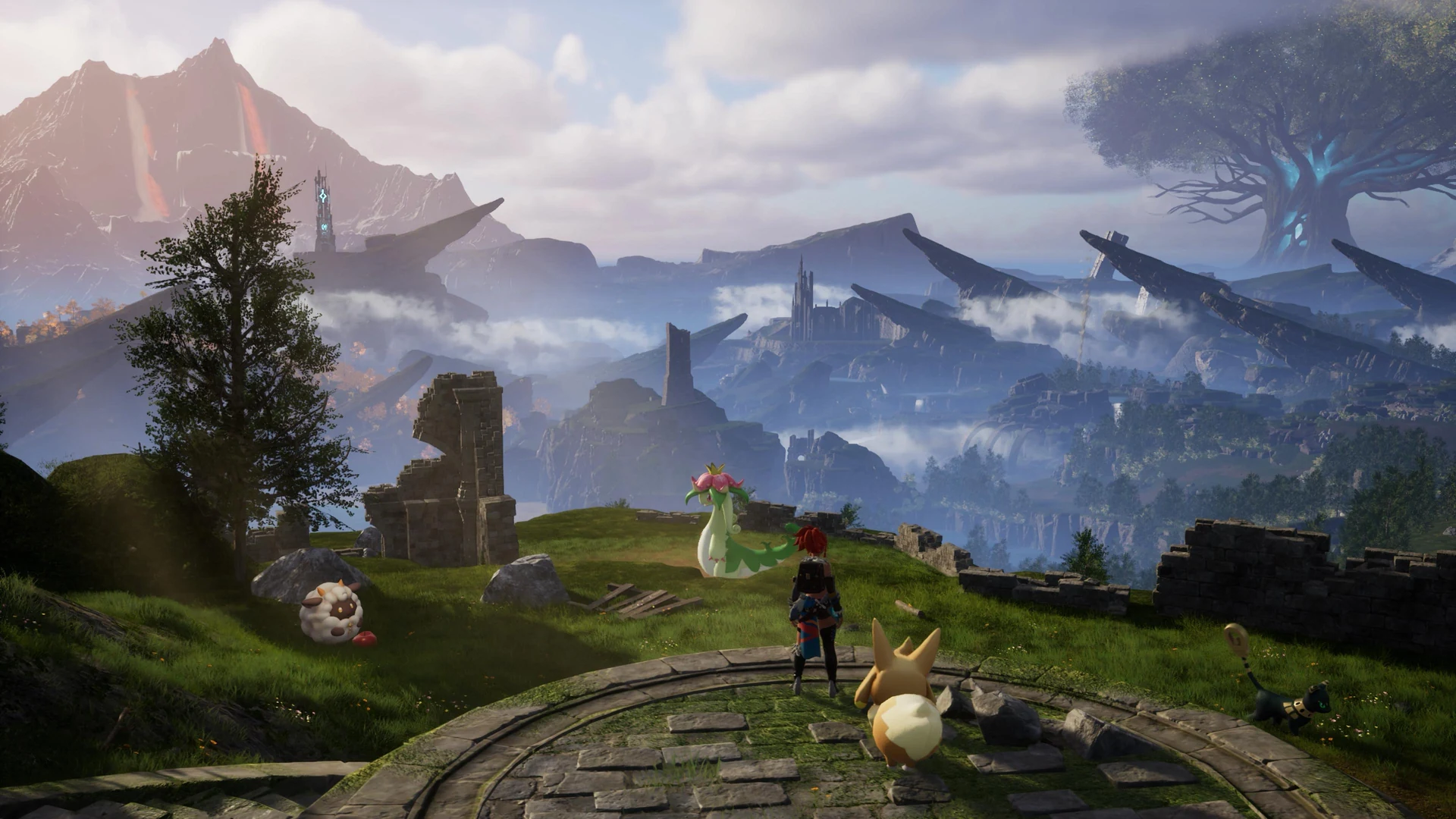
The fundamental concept behind Steam early access remains theoretically sound, yet its practical application faces significant headwinds in the current market landscape. Palworld publishing chief John Buckley recently highlighted a troubling trend where the distinction between a work-in-progress and a finished product is blurring rapidly. He suggests that the rise of hyper-casual gaming culture has fundamentally altered consumer expectations, leading many players to purchase incomplete titles without fully grasping the developmental risks involved. This shift threatens the symbiotic relationship that once defined the platform, where dedicated fans provided essential feedback while developers secured necessary funding.
News
The Original Vision Of Steam Early Access
When the Steam Greenlight system was first replaced by the early access model, it represented a golden era for independent development and community engagement. During those formative years, Buckley noted that both developers and gamers possessed a clear mutual understanding of what the label implied regarding unfinished software. Players who purchased these titles were typically enthusiasts eager to participate in the creation process, offering constructive criticism and bug reports that directly influenced the game's trajectory. This collaborative environment allowed projects like Baldur's Gate 3 and Palworld to evolve organically based on real-time user input rather than static design documents.
The economic model was designed so that everybody could win from the transaction between publisher and consumer. Buyers received early access to gameplay features they would otherwise have to wait years for, while developers gained crucial revenue streams to sustain their operations during long development cycles. The system encouraged a dialogue where users felt invested in the project's success and failure alike, fostering a sense of ownership that is rare in modern retail releases. However, this specific dynamic relied heavily on a niche audience that understood the nuances of game development and the inherent instability of pre-release builds.
News
Changing Consumer Expectations And Market Realities
Buckley observed that the landscape has shifted dramatically as mainstream gaming culture absorbs elements from mobile hyper-casual sectors. In this new environment, consumers often approach early access titles with the same expectations reserved for polished commercial releases, demanding immediate stability and complete feature sets upon purchase. This attitude ignores the reality that these products are still under construction, requiring ongoing updates and patches to reach a stable state. The friction arises when players treat an early access game as if it were a final release, leading to disappointment when bugs persist or content remains incomplete despite payment.
This erosion of understanding creates a challenging environment for developers who must balance community demands with the practical limitations of their development pipelines. While some veteran gamers remember beta testing as a legitimate phase of production rather than a marketing gimmick, the broader audience increasingly lacks this historical context. As gaming becomes more accessible and mainstream, the percentage of buyers who neither know nor care about the implications of early access continues to grow. Consequently, developers face pressure to deliver perfection prematurely, which can stifle innovation and delay the inevitable final launch.
News
The Impact Of Hyper-Casual Gaming Culture
The influence of hyper-casual mobile gaming culture has seeped into PC expectations, reshaping how audiences perceive unfinished software and their role within it. Buckley described this cultural shift as a primary driver behind the loss of meaning attached to the early access label in recent years. Players accustomed to instant gratification and seamless experiences from mobile apps often find the rough edges of PC early access titles unacceptable, regardless of the developmental stage. This expectation gap makes it difficult for studios to explain that purchasing an early access game is an investment in a living product rather than a finished commodity.
Live service gaming culture further complicates the picture by normalizing constant updates and unfinished states as standard operating procedures for major releases. While this model benefits from continuous content drops, it has trained consumers to expect games to be perpetually under construction without clear end dates or completion milestones. This mindset clashes with the traditional early access philosophy where a definitive release date marks the transition from development to distribution. The resulting confusion leaves developers struggling to manage community sentiment and maintain realistic expectations about what can be achieved before a full launch.
News
Navigating The Future Of Pre-Release Development
Despite these challenges, the core principle of early access remains viable if stakeholders can recalibrate their approach to communication and expectation management. Developers must find ways to clearly delineate between a work-in-progress and a final release, perhaps by adopting more rigorous labeling or transparency regarding development roadmaps. Buckley hopes that returning to the spirit of the original Greenlight days will restore the trust and collaboration that once defined the platform's success. This requires educating new audiences about the value of their feedback and the reality of iterative development processes in modern game creation.
The industry must also consider how to protect dedicated communities from the dilution caused by casual expectations while still welcoming new players who wish to support independent projects. Finding a middle ground where consumers understand the risks and rewards of early access without feeling alienated is essential for the long-term health of the model. Without this balance, the unique benefits of early access funding and community involvement could diminish, leaving developers with fewer options for sustaining ambitious projects that require significant time and resources to complete.
The concerns raised by John Buckley regarding the state of early access highlight a critical juncture for the gaming industry as it navigates evolving consumer behaviours. While the financial benefits of selling unfinished titles remain clear, the social contract between developers and players is under strain from changing cultural norms. It is imperative that stakeholders work together to preserve the integrity of the early access model before it becomes obsolete or misunderstood entirely. Only by maintaining clear communication and realistic expectations can the industry ensure that both creators and consumers continue to benefit from this unique form of digital publishing in the years ahead.
Original report
Source and verification
Read the original report at PC Gamer