
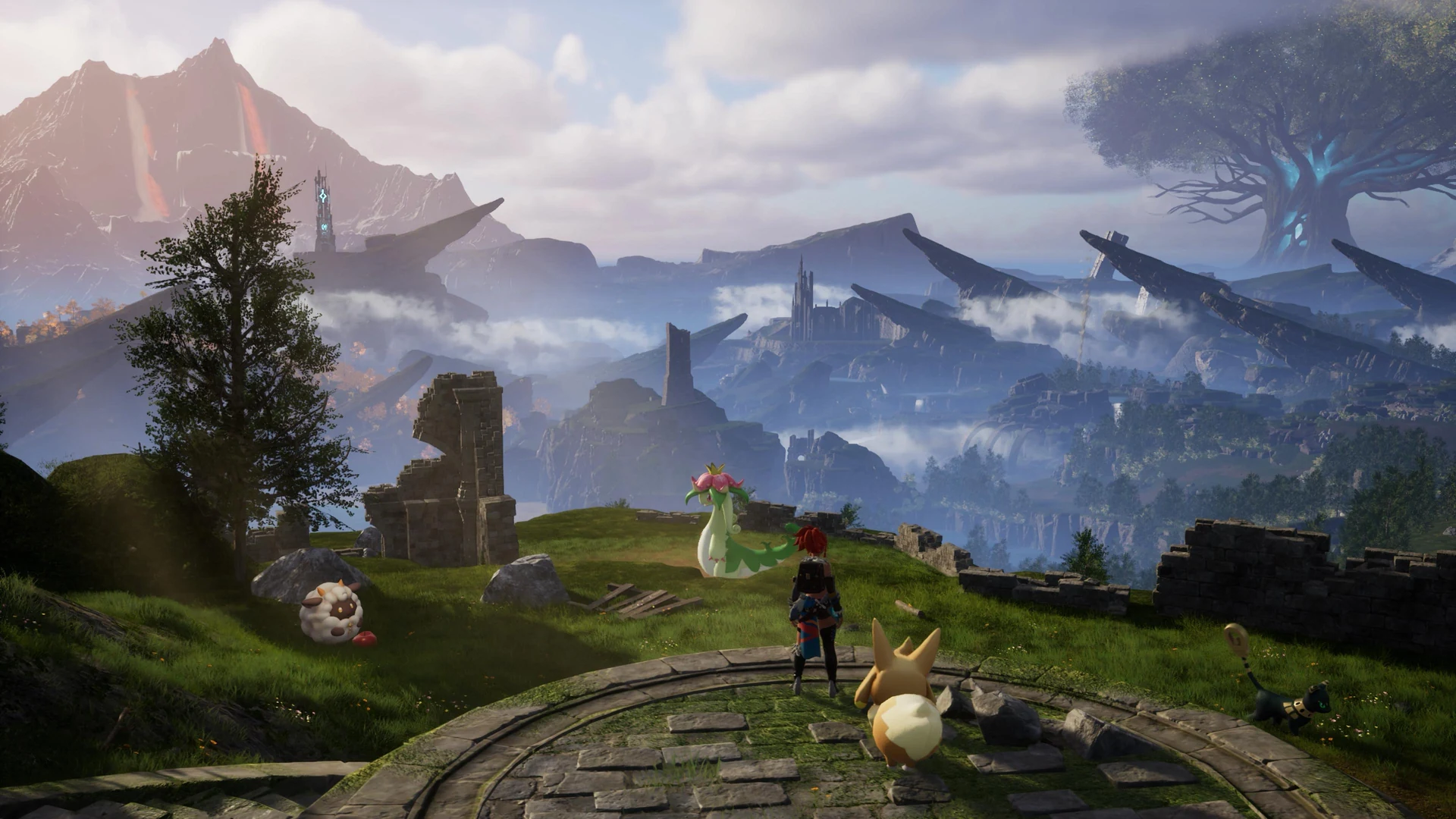
Recent data indicates that the digital storefront known as Steam is increasingly being dominated by sandbox-style experiences, with notable entries such as Palworld leading the charge in financial performance. This shift has been identified through a rigorous examination of nearly one hundred thousand distinct titles currently available on the platform. While these open-world adventures are capturing substantial attention and revenue, established categories including first-person shooters and role-playing games continue to demonstrate remarkable resilience within the broader ecosystem.
News
The Rise of Sandbox Revenue Leaders
Analysts have scrutinized a vast dataset comprising ninety-eight thousand five hundred fifty-five priced entries to determine current market trends. The findings suggest that sandbox mechanics are currently generating some of the highest earnings recorded on the service since its inception. Specific titles within this category have managed to secure positions at the very top of the revenue hierarchy, outperforming many competitors in other genres.
Among these standout performers is Palworld, which has accumulated approximately five hundred million dollars in revenue since entering early access in 2024. This financial success places the title within the exclusive top zero point zero zero percent of all paid games tracked by the researchers. Such figures highlight the immense potential for open-ended gameplay loops to drive massive commercial interest among the global player base.
News
Methodology Behind the Financial Report
The insights presented in this report originate from a new study conducted by We Love It, a browsing platform that utilizes advanced tools to curate original content for users. The team behind the project includes industry veterans who have compiled extensive data to provide a clear picture of the current economic landscape. Their work involves measuring specific metrics across thousands of titles to identify patterns in player spending and engagement levels.
Key contributors to this analysis include Ichiro Lambe, Matt Martindale, and Dr. Tim Ermilov, who together formed a dedicated group to investigate these trends. Their combined expertise allows them to distinguish between fleeting hype and sustained commercial viability within the marketplace. The resulting documentation offers a detailed breakdown of how different genres perform relative to one another over time.
News
Comparative Performance Across Genres
When comparing success rates, twenty-seven point six percent of all sandbox games achieve at least one hundred thousand dollars in revenue. In contrast, only nineteen point five percent of role-playing games and nineteen percent of action role-playing titles reach this same financial milestone. First-person shooters perform slightly better with twenty-one point eight percent hitting the target, yet the gap remains significant when looking at median earnings across the entire library.
The median lifetime earnings for any given game in this massive sample were found to be a modest three thousand six hundred thirty-one dollars. This statistic underscores that while blockbuster hits exist, the vast majority of paid titles generate considerably less income than their famous counterparts. Consequently, achieving high revenue figures remains an exceptional feat reserved for a very small fraction of the total catalog available to consumers.
News
Visual Novels and Median Earnings
Interestingly, visual novels did not break into the top five categories regarding minimum revenue thresholds despite their unique appeal. However, their median earnings of seven thousand one hundred twelve dollars come remarkably close to the average sandbox figure of seven thousand nine hundred seventy-three dollars. This suggests that while they may lack the explosive growth of major sandbox hits, they maintain a steady and respectable position within the overall economy.
The disparity between top earners and the rest is stark, with the upper one percent of games capturing eighty-four point five percent of all estimated revenue. This concentration of wealth illustrates how difficult it is for average titles to compete with established franchises that have built massive fanbases over many years. Most developers must therefore aim for niche audiences rather than expecting widespread financial dominance.
In conclusion, the current state of Steam reflects a complex economy where sandbox games lead in absolute revenue while other genres sustain their own substantial markets. Although RPGs and first-person shooters remain massive forces that cannot be ignored, the data clearly shows a preference for open-ended exploration among high-earning titles. Future reports will likely continue to track these shifting dynamics as new releases enter the marketplace and player habits evolve over time.
Original report
Source and verification
Read the original report at GamesRadar+